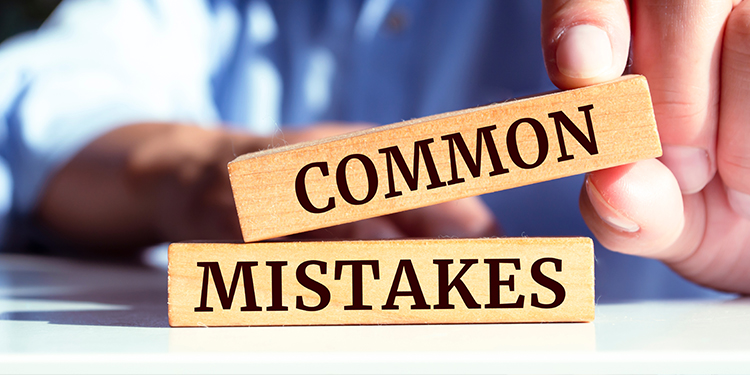
Common Healthcare Email Marketing Mistakes and How to Avoid Them
Summarize with AI
|
Getting your Trinity Audio player ready...
|
Email marketing remains a vital channel for healthcare providers and organizations to engage with patients, promote services, and share important updates. Despite its effectiveness, healthcare email marketing presents unique challenges, including regulatory restrictions, ethical considerations, and the need for personalized yet secure communication.
Many healthcare marketers fall into certain traps that diminish the effectiveness of their campaigns, frustrate recipients, and even risk regulatory violations. To help you avoid these pitfalls, let’s delve into some common healthcare email marketing mistakes and how to steer clear of them for optimal engagement and outcomes.
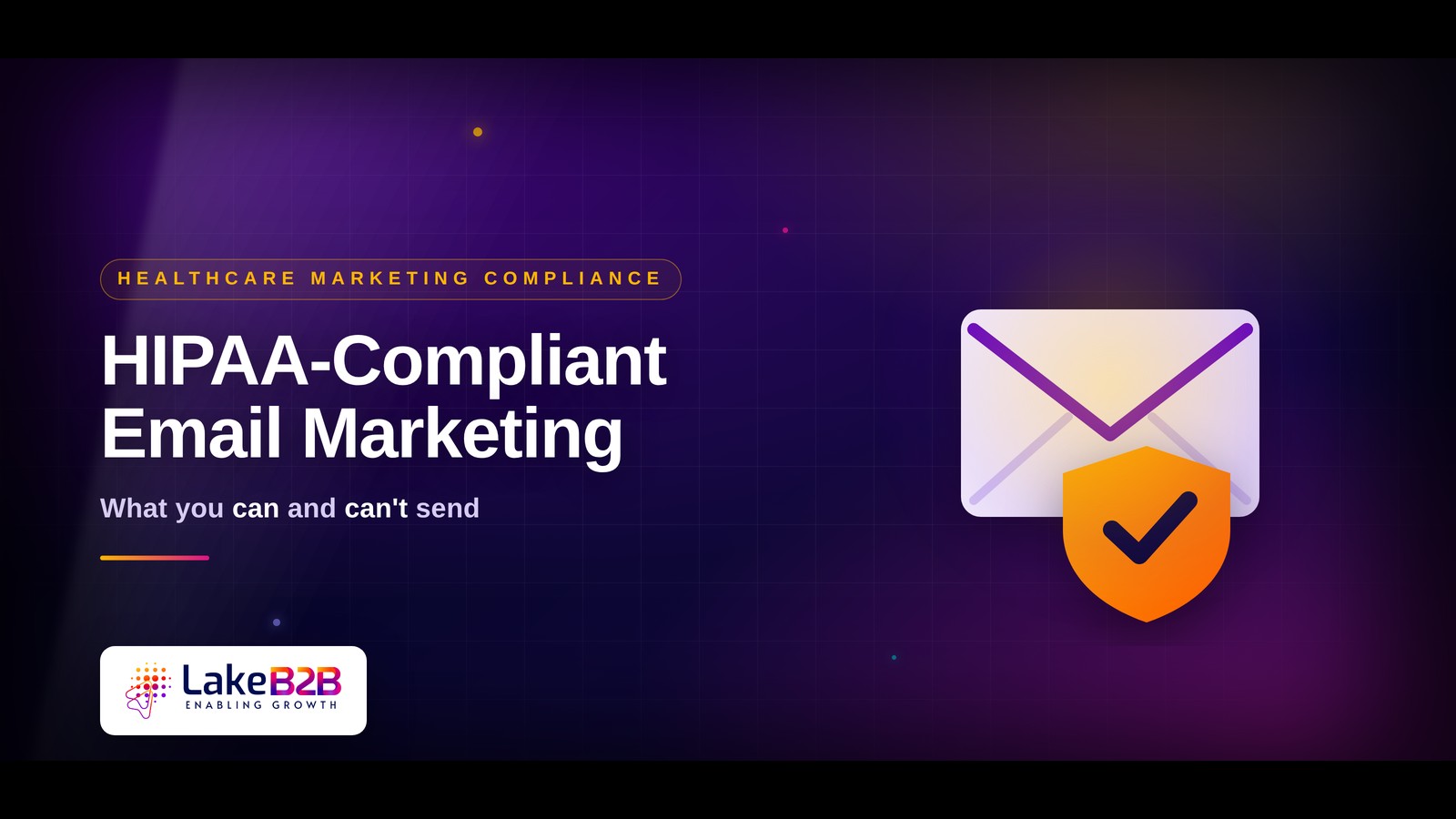
1. Ignoring HIPAA-Compliant Email Marketing
The most significant healthcare email marketing mistake is neglecting HIPAA (Health Insurance Portability and Accountability Act) compliance. The healthcare sector is heavily regulated to ensure patient data privacy and security. Even something as simple as sending an email can become a legal minefield if HIPAA regulations are not strictly followed. Healthcare data is sensitive and violating HIPAA regulations can result in severe fines and legal action, and this also leads to a loss of patient/healthcare audience trust.
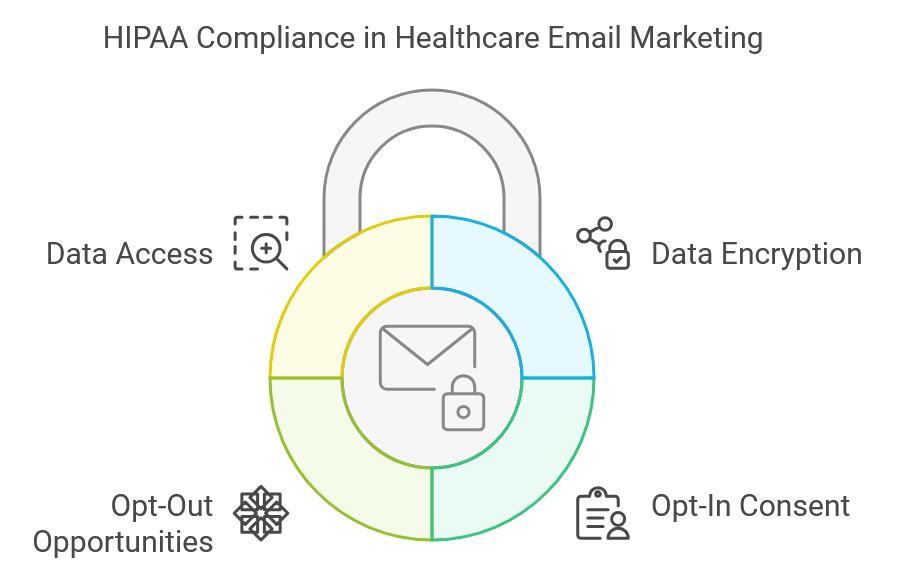
Emails that contain personal health information (PHI) must be encrypted, and marketing teams need to ensure that recipients have opted in for such communications. Also. It is also essential for healthcare marketers to include opt-out opportunities and give data access to the audience to see how their healthcare information is being used.
How to Avoid It:
- Encrypt emails: Make sure that any email containing PHI is encrypted and secure.
- Use HIPAA- compliant email service providers: Ensure that your email marketing platform is fully compliant with HIPAA and has the necessary safeguards.
- Obtain consent: Before sending marketing emails, always ensure that you have obtained explicit consent from recipients.
- Use opt-in approach: Clearly provide opt-in and opt-out opportunities for healthcare audience
- Train your staff: All employees involved in email marketing should be trained in HIPAA compliance to avoid unintentional breaches.
2. Lack of Personalization
Personalization in healthcare email campaigns is no longer optional but it’s an absolute necessity. Patients are more likely to engage with content that feels relevant and targeted specifically to them. Many healthcare marketers make the mistake of sending generic emails to their entire list, without any regard for individual needs, conditions, or preferences.
If you are a B2B/B2C Healthcare business looking to build long-term sustainable relationship with your ideal healthcare audience, it is crucial to avoid sending Impersonalized/generic emails. Impersonalized emails come off as impersonal, irrelevant, and even spammy, leading to lower open rates, reduced engagement, and increased unsubscribe rates. In healthcare, where trust and personal connection are paramount, sending irrelevant content can harm your relationship with healthcare target audience.
How to Avoid It:
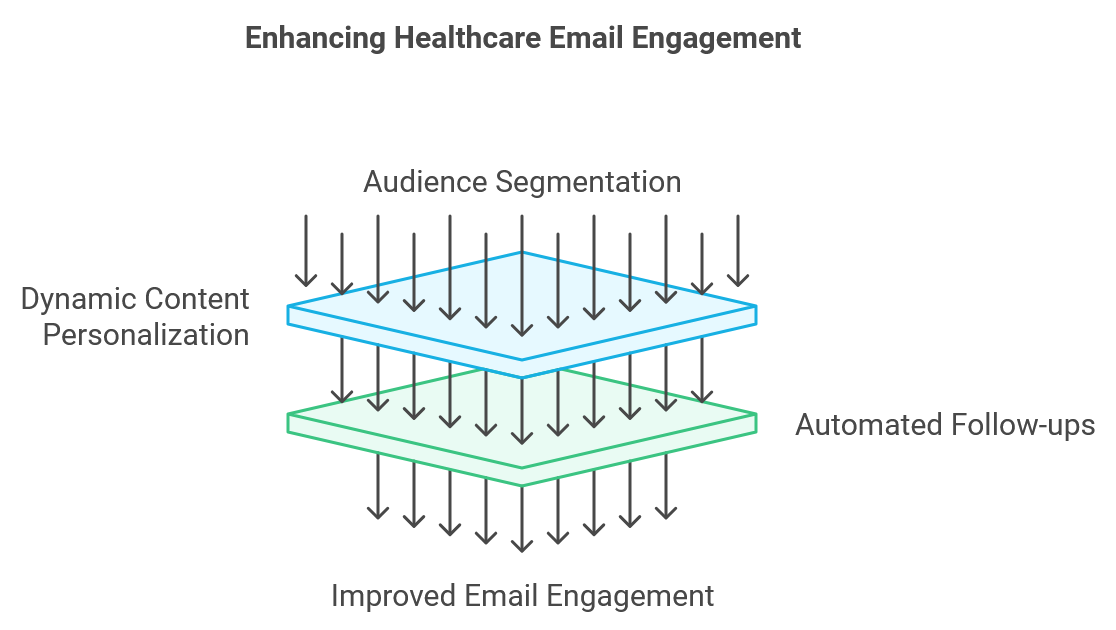
- Healthcare email list segmentation: Use data to segment your audience by age, location, medical history, or specific interests. This allows you to send targeted content that resonates with each group and helps you in improving healthcare email open rates.
- Use dynamic content: Utilize tools that allow you to insert personalized details such as the recipient’s name, appointment history, or health interests.
- Automated follow-ups: Set up automated email workflows based on patient behavior. For instance, if a patient opens an email about a diabetes workshop, send follow-up content related to diabetes management.
——————————–
Read More:
Driving Traffic to a Healthcare Webinar with Targeted Email Campaigns
——————————–
3. Overloading with Medical/Healthcare Jargon
The healthcare industry is filled with complex terms, conditions, and medical jargon. While healthcare professionals may be familiar with this language, most healthcare audience are not. Emails that are too technical or loaded with medical jargon can confuse recipients, leading to disengagement or misunderstandings.
Healthcare audience may not fully understand the message if it is too complex, which can prevent them from taking the desired action, whether it’s scheduling an appointment, following a recommendation, or taking advantage of a special offer.
In case of B2B healthcare audience, all stakeholders might not be familiar with the complex medical terminologies. Hence emails packed with intricate healthcare jargon can confuse or alienate recipients, and this leads to lower engagement and missed opportunities to build business relationships.
How to Avoid It:
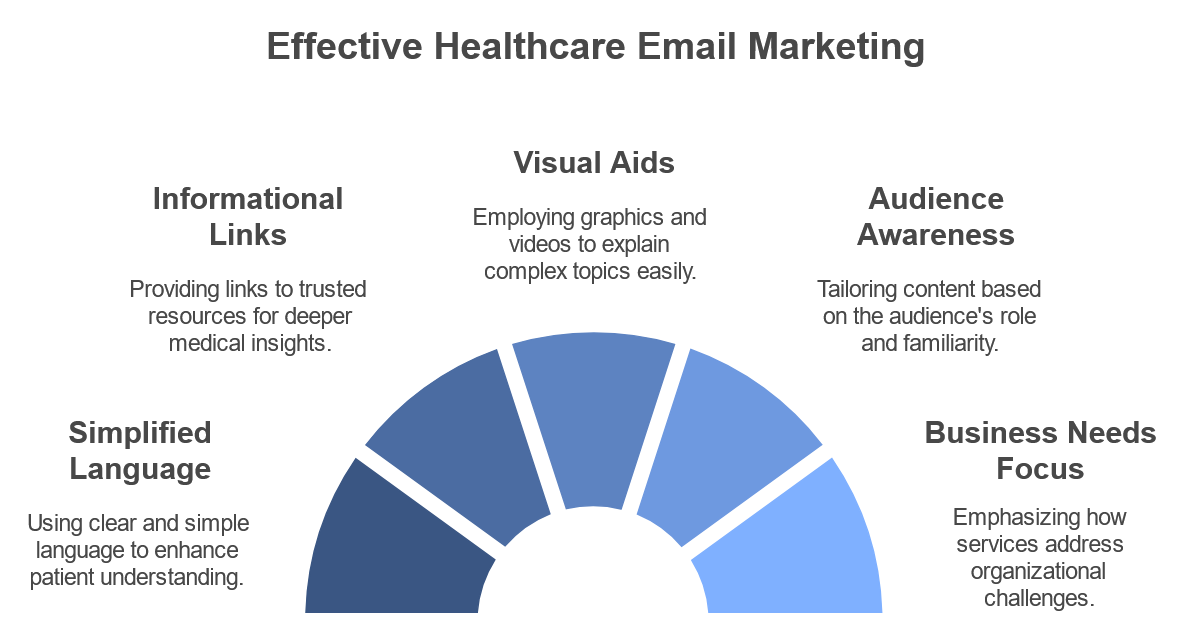
- Simplify the language: Avoid complex medical terminology when unnecessary. Instead, explain conditions and services in simple, clear language that the average patient can understand.
- Include links to more information: For patients who want to dive deeper into medical details, include links to trusted resources where they can learn more.
- Use visuals: Using visuals is one of the best practices for healthcare email marketing to retain the attention of targeted healthcare audience. Use graphics, videos, or illustrations to explain complex topics in an easily digestible format.
- Know your audience: Segment your B2B audience by their role and level of familiarity with medical terms. For example, while a clinical researcher might appreciate in-depth technical details, a hospital administrator may respond better to content that focuses on operational benefits or ROI.
- Speak to business needs: Highlight how your product or service addresses broader organizational challenges—efficiency, cost control, patient satisfaction—without burying these benefits under a sea of medical terminology.
4. Sending Too Many Emails
Finding the right balance of frequency in email marketing is critical. Some healthcare organizations make the mistake of bombarding their email list with too many emails in a short period. Patients may begin to perceive these emails as spam, leading to an increase in unsubscribes or spam complaints.
Sending too many emails can overwhelm recipients, causing them to tune out, unsubscribe, or flag your emails as spam. This not only damages your reputation but also risks reducing the reach of your campaigns as email providers may start filtering your emails into spam folders. To avoid email marketing spam filters, it is recommended to use a reputable email service provider and ensuring your email list consists of recipients who have opted in.
How to Avoid It:
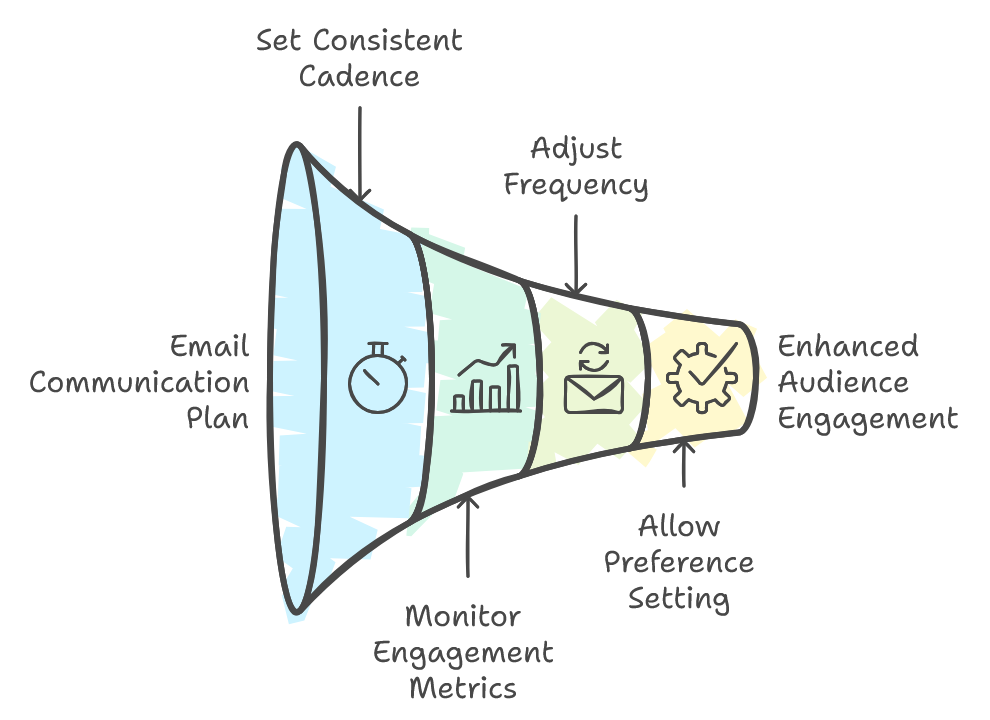
- Set a consistent cadence: Develop a regular email schedule, such as weekly or bi-weekly, and stick to it. Avoid sending emails too frequently unless absolutely necessary (e.g., important health alerts).
- Monitor engagement metrics: Track metrics like open rates and click-through rates to assess how your audience responds to your emails. If you notice a drop in engagement, consider reducing your email frequency.
- Allow recipients to set preferences: Offer patients the option to choose how often they want to receive emails, giving them more control over the content they engage with.
5. Failing to Optimize for Mobile
With over half of emails now opened on mobile devices, failing to optimize your email campaigns for mobile is a costly mistake. Emails that are difficult to read or navigate on smartphones will likely be ignored or deleted, reducing the effectiveness of your campaign.
If your emails are not mobile-friendly, you risk alienating a large portion of your audience. Recipients may delete your email without even reading it, leading to lost opportunities for engagement.
How to Avoid It:
- Use responsive design: Ensure that your email design automatically adjusts to fit different screen sizes, especially mobile devices.
- Keep it concise: Mobile users prefer short, to-the-point content. Avoid long blocks of text and focus on a clear, concise message.
- Use large buttons and links: Make sure that any calls to action (CTAs) are easy to tap on mobile devices. Small, hard-to-click buttons can frustrate users and reduce conversions.
6. Neglecting a Clear Call to Action (CTA)
Effective CTAs for healthcare marketing plays a significant role in emails without a clear, actionable CTA often leave recipients unsure of what to do next. Whether it’s scheduling an appointment, downloading a resource, or reading more on a particular topic, your email should have a defined purpose and guide patients toward the next step.
If the CTA is unclear or buried in a lengthy email, patients may lose interest or fail to take action. This can lead to lower conversion rates and missed opportunities to engage patients effectively.
How to Avoid It:
- Place your CTA prominently: Make sure your CTA is clear, easy to find, and stands out visually from the rest of the email content.
- Keep it action-oriented: Use actionable language such as “Schedule your appointment,” “Download the guide,” or “Learn more” to encourage engagement and this automatically helps in improving healthcare email open rates.
- Limit to one CTA: While it can be tempting to include multiple CTAs in a single email, try to focus on one primary action to avoid overwhelming the recipient.
7. Not A/B Testing Your Campaigns
A/B testing, or split testing, is essential for optimizing email performance, yet many healthcare marketers fail to take advantage of it. A/B testing allows you to experiment with different and engaging healthcare email subject lines, content layouts, CTAs, and send times to see what resonates best with your audience.
Without A/B testing, you’re essentially guessing what will work best, rather than using data to inform your decisions. This can lead to missed opportunities for improving engagement and conversion rates.
How to Avoid It:
- Test one element at a time: Focus on testing one variable at a time, such as the subject line, CTA, or email design. This will help you isolate what changes have the most impact.
- Use measurable metrics: Track key performance indicators (KPIs) such as open rates, click-through rates, and conversion rates to evaluate the success of each test.
- Continuously optimize: A/B testing should be an ongoing process. Regularly test different elements of your campaigns to keep improving their effectiveness.
8. Neglecting Email List Hygiene
Over time, your email list will naturally accumulate inactive subscribers or outdated email addresses. Failing to clean and maintain your email list can lead to poor deliverability, higher bounce rates, and lower engagement.
An unclean email list can hurt your sender reputation, leading to more emails being filtered into spam folders. Inactive subscribers also skew your engagement metrics, making it difficult to gauge the true success of your campaigns.
How to Avoid It:
- Regularly clean your list: Remove inactive or bounced email addresses on a regular basis to keep your list fresh.
- Use re-engagement campaigns: Before removing inactive subscribers, try sending a re-engagement email to win them back. If they still don’t engage, it’s time to remove them.
- Utilize double opt-in: Ensure that new subscribers are genuinely interested in receiving your emails by using a double opt-in process. This helps you build a more engaged and active list.
Conclusion
Email marketing is a powerful tool for healthcare organizations to communicate with patients, but it requires careful planning and execution to be effective. By avoiding common email marketing mistakes like ignoring HIPAA compliance, sending irrelevant content, overloading emails with medical jargon, or neglecting mobile optimization, you can build more meaningful and impactful connections with your audience.
Regularly evaluate and optimize your email marketing strategies to ensure that you are delivering value to your patients while maintaining compliance and trust. With the right approach, your healthcare email marketing campaigns can foster stronger patient relationships, improve engagement, and drive better outcomes for both your organization and the people you
Table of Contents
Ready to turn insights into pipeline?
LakeB2B helps you find, enrich, and connect with verified B2B contacts using accurate data, intent signals, and audience intelligence so your sales and marketing teams can reach the right decision-makers with confidence.